10-Inch Compressed Carbon Rod Filter for High Purity Water
Compressed Carbon Rod Filters
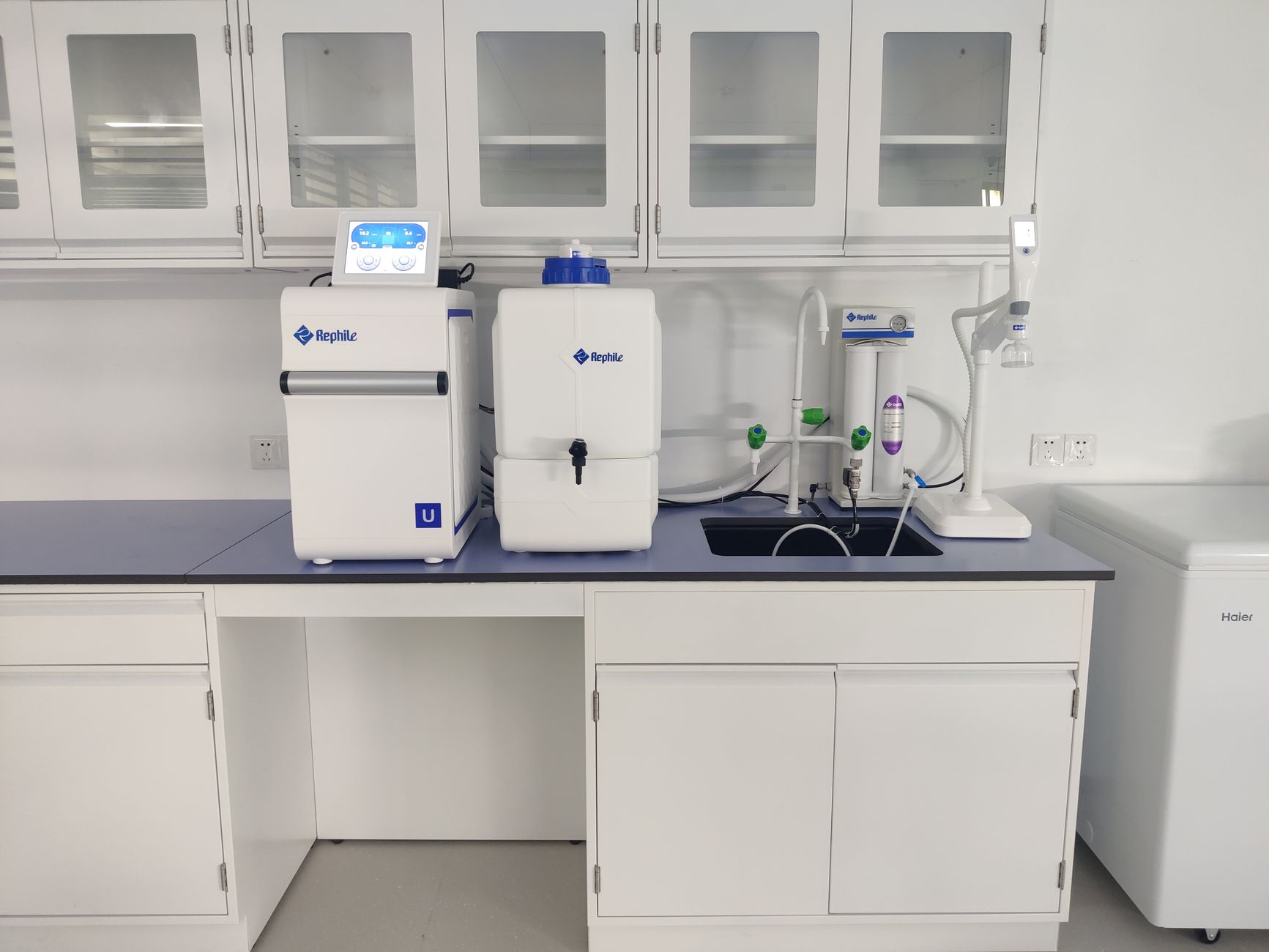
The 10-inch compressed carbon rod filter is engineered for high-efficiency removal of chlorine, organic contaminants, and particulates in high-purity water applications. Constructed from densely compressed granular activated carbon, this filter offers consistent flow rates and extended service life under continuous industrial use. Designed specifically for integration into reverse osmosis (RO) pre-treatment systems, it enhances downstream membrane protection while maintaining low pressure drop across the media bed. Its cylindrical geometry ensures uniform contact time and maximum surface area utilization for contaminant adsorption.
Main Specifications
| Filter Length | 10 inches (254 mm) |
| Diameter | 3 inches (76.2 mm) |
| Flow Rate Capacity | 8–12 GPM (30–45 L/min) |
| Operating Pressure | 1–8 bar (15–116 psi) |
| Temperature Range | 5–45°C (41–113°F) |
| Maximum Particle Size | 5 microns |
| Material | Compressed granular activated carbon (GAC) core |
| Porosity | 90–95% |
| Service Life | 6–12 months (varies by feed quality) |
| Connection Type | Standard 3/4" NPT threaded ends |
Core Advantages
- Reduced freight costs due to compact, stackable packaging that maximizes pallet density
- Low logistics overhead: filters ship in vacuum-sealed, moisture-resistant inner sleeves with corrugated outer boxes
- Global shipping readiness: compliant with IMDG and IATA standards for dry goods transport
- Bulk purchase savings: available in 100-unit master cases with minimal packaging waste per unit
- Simplified customs clearance: no hazardous material classification; easily cleared through standard industrial import channels
Typical Application Scenarios
- Pre-treatment for high-purity water systems in semiconductor manufacturing
- Feed water conditioning for pharmaceutical-grade RO units
- Industrial boiler feed water filtration to prevent scale and corrosion
- Food and beverage processing where taste and odor control are critical
- Laboratory water purification systems requiring sub-ppm organic removal
Buying Tips for Importers
- Avoid overpaying for 'premium' branding—verify that carbon density and pore structure meet ISO 16232 standards
- Confirm packaging includes desiccant packs to prevent moisture absorption during sea freight
- Negotiate FOB port terms to manage freight cost exposure based on your regional hub
- Verify supplier’s export history with similar bulk shipments to avoid customs delays
- Request batch-specific test reports for carbon content and ash residue to ensure consistency
Frequently Asked Questions
How does packaging affect freight costs for bulk orders?
Our 10-inch filters are packed in interlocking, stackable trays with molded foam inserts. This design reduces air space by 40% compared to loose packing, allowing 30% more units per container. Reduced volume directly lowers freight cost per unit, especially on long-haul ocean shipments.
Can these filters be shipped via air freight without additional fees?
Yes, they are classified as non-hazardous dry solids under IATA Class 9. No special handling or dangerous goods surcharges apply. However, air freight remains cost-prohibitive for large volumes—ocean freight offers better value for 100+ unit orders.
What’s the impact of moisture on compressed carbon rods during transit?
Moisture can degrade carbon porosity and promote microbial growth, reducing effectiveness. Each filter is sealed in moisture-barrier film with a silica gel packet inside the cardboard box. This prevents humidity damage even during extended sea voyages through tropical zones.
Why should I buy in bulk despite storage concerns?
Bulk purchasing reduces the average cost per unit by up to 22% and stabilizes supply chain risk. With proper climate-controlled warehousing, filters retain performance for 18 months. The packaging also supports vertical stacking, minimizing floor space usage in storage.