20-Inch Compressed Carbon Rod Filter with High Adsorption Capacity
Compressed Carbon Rod Filters
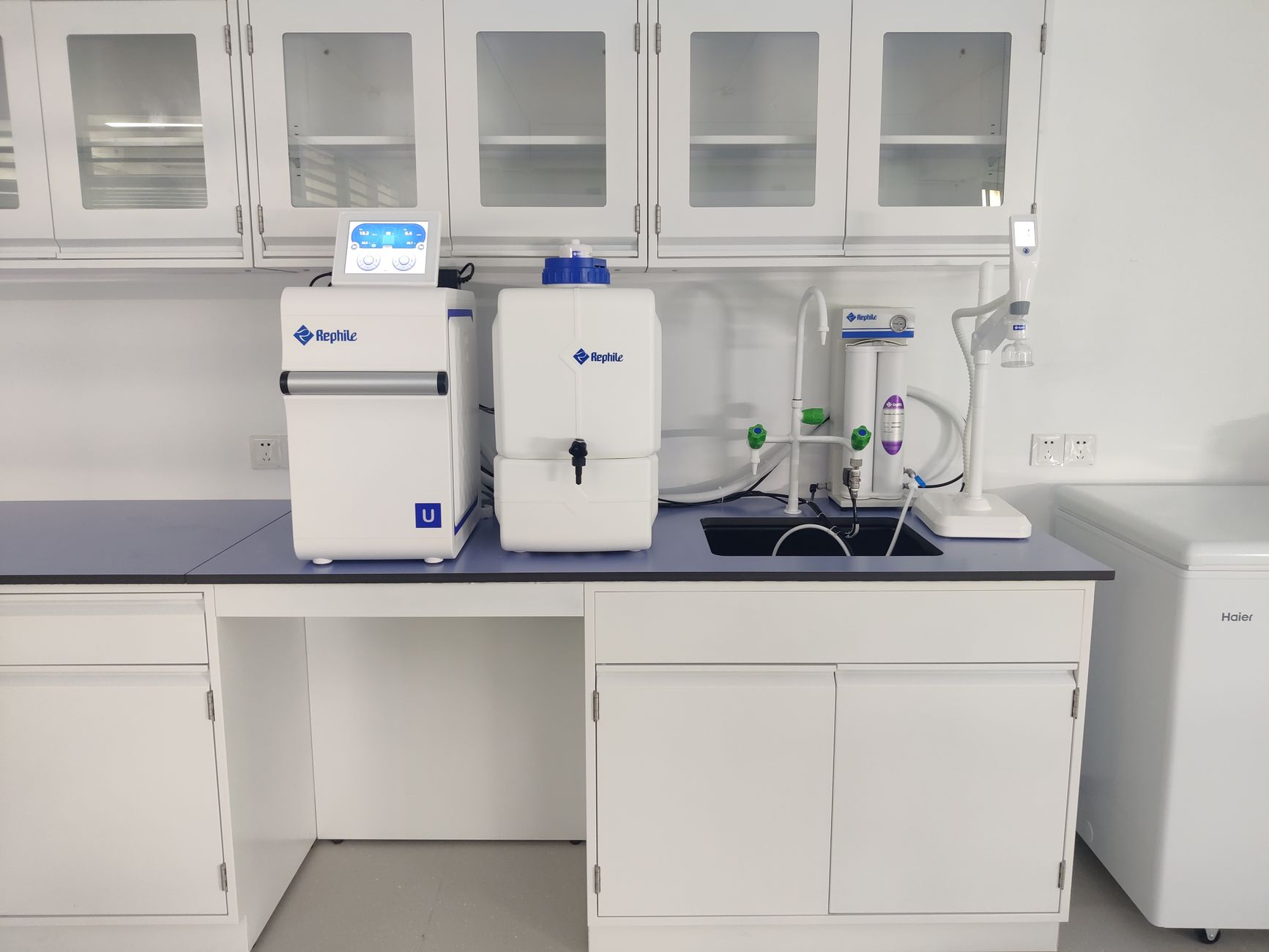
The 20-inch compressed carbon rod filter is engineered for high-flow industrial applications requiring reliable removal of chlorine, volatile organic compounds (VOCs), and taste-odour contaminants. Constructed from densely compressed granular activated carbon, this filter delivers consistent performance under varying pressure and temperature conditions. Its robust cylindrical design ensures minimal channeling and maximum contact time, enhancing contaminant capture efficiency across diverse operational environments.
Main Specifications
| Length | 20 inches (508 mm) |
| Diameter | 2.5 inches (63.5 mm) |
| Flow Rate | 15 GPM (57 L/min) at 40 psi |
| Pressure Rating | 150 psi (10.3 bar) continuous |
| Operating Temperature | 32–140°F (0–60°C) |
| Carbon Content | ≥92% by weight |
| Porosity | 850–950 m²/g surface area |
| Maximum Contaminant Removal | Chlorine: >99%, VOCs: up to 98% |
| Filter Media Density | 1.2–1.4 g/cm³ |
| End Cap Material | PP/ABS composite |
Core Advantages
- High surface area (850–950 m²/g) enables exceptional adsorption of trace organic contaminants
- Dense compression reduces media migration, ensuring long-term structural integrity
- Optimized flow path minimizes pressure drop even after prolonged use
- Compatible with standard 2.5-inch housing fittings for easy retrofitting
- Low extractables reduce risk of secondary contamination in sensitive industries
Typical Application Scenarios
- Municipal drinking water pretreatment systems
- Pharmaceutical-grade process water purification
- Food and beverage production line filtration
- Reverse osmosis system pre-filters
- Industrial boiler feedwater conditioning
Buying Tips for Importers
- Verify carbon density and surface area specs—lower values compromise adsorption capacity
- Ensure the end cap material matches your fluid compatibility requirements (e.g., avoid PVC in high-temp applications)
- Check for certification standards like NSF/ANSI 53 or 42 if used in potable water systems
- Avoid filters with visible cracks or inconsistent compression—indicates poor manufacturing control
- Confirm that the filter’s pressure rating exceeds peak system pressure to prevent failure
Frequently Asked Questions
How does filter length affect adsorption performance?
A 20-inch length increases the contact time between water and activated carbon, allowing deeper penetration and more complete removal of dissolved organics. Longer contact time directly correlates with higher contaminant breakthrough resistance, especially for slow-diffusing compounds.
Can this filter be used in high-temperature processes above 60°C?
No—exceeding 60°C can degrade the carbon matrix and cause irreversible loss of surface area. Elevated temperatures also increase the risk of media softening and compaction, leading to reduced flow and potential housing damage.
What causes premature breakthrough in a compressed carbon rod filter?
Premature breakthrough typically results from insufficient contact time due to excessive flow rates or low carbon density. Other factors include pre-existing particulate loading that clogs pores early, or using a filter not rated for the specific contaminant profile.
Why is media density critical in compressed carbon rods?
Higher media density (1.2–1.4 g/cm³) prevents carbon fines from leaching into downstream systems and maintains uniform flow distribution. Low-density rods suffer from channeling, where water bypasses the media, drastically reducing effective adsorption capacity.