5-Lb Granular Activated Carbon Filter for Municipal Water Treatment
Activated Carbon Filters
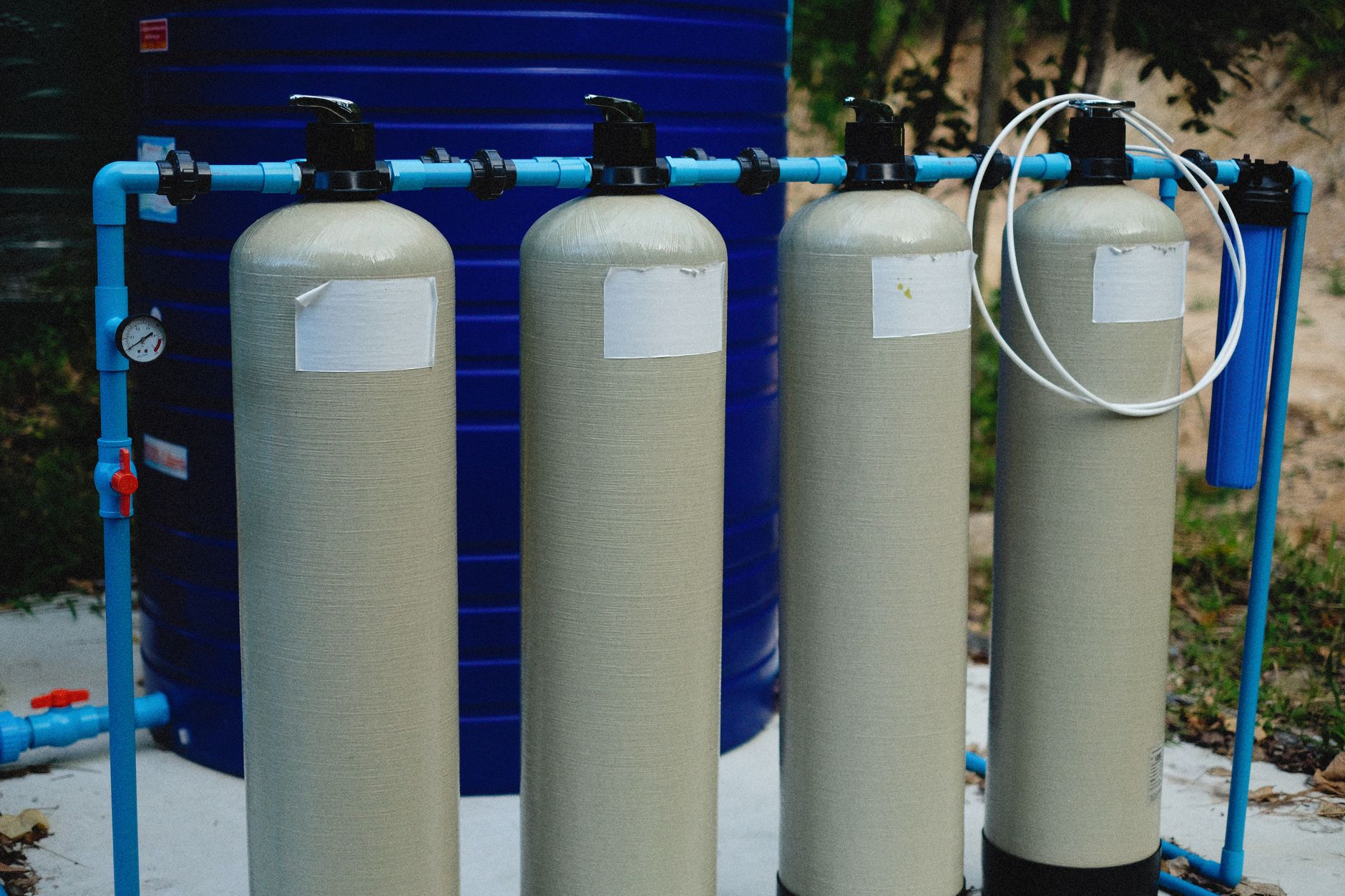
The 5-lb granular activated carbon (GAC) filter is engineered for municipal water treatment systems requiring reliable removal of organic contaminants, chlorine, chloramines, and volatile organic compounds (VOCs). This food-grade, high-surface-area GAC delivers consistent adsorption performance across varying flow rates and water quality conditions, making it ideal for large-scale public water supply applications. Its uniform particle size ensures minimal channeling and optimal contact time in fixed-bed filtration units, enhancing contaminant capture efficiency while reducing operational downtime.
Main Specifications
| Form | Granular |
| Weight | 5 lbs (2.27 kg) |
| Surface Area | 1,000–1,200 m²/g |
| Particle Size | 8–30 mesh (2.4–0.59 mm) |
| Ash Content | < 5% by weight |
| Moisture Content | < 10% by weight |
| Iodine Adsorption Capacity | 900–1,100 mg/g |
| BET Surface Area | 1,100 m²/g min |
| pH Range (in water) | 6.0–8.0 |
| Bulk Density | 0.45–0.55 g/cm³ |
Core Advantages
- Reduces trihalomethane (THM) formation by up to 90% in chlorine-treated water supplies
- Low pressure drop due to uniform particle size distribution, minimizing pump energy costs
- High reusability through thermal regeneration in on-site or third-party facilities
- Complies with EPA guidelines for potable water contact materials
- Delivers consistent performance over 6–12 months in standard municipal applications
Typical Application Scenarios
- Primary filtration stage in municipal drinking water plants
- Removal of disinfection byproducts (DBPs) from chlorinated water sources
- Pre-treatment for reverse osmosis (RO) systems to protect membranes
- Taste and odor control in community water distribution networks
- Emergency response filtration for contaminated groundwater or post-disaster recovery
Buying Tips for Importers
- Avoid paying premium prices for 'certified' GAC without verifying the test method used—ask for third-party lab reports from ISO 17025-accredited labs
- Negotiate FOB pricing based on annual volume commitments; suppliers often offer 15–25% savings at 1,000+ lbs/year
- Insist on bulk packaging (e.g., 50-lb inner bags in 1,000-lb outer drums) to reduce per-unit handling and shipping costs
- Verify moisture content claims—high moisture increases effective weight but reduces usable surface area, inflating cost per pound
- Require a clear specification sheet detailing the source material (coal vs. coconut) as this directly impacts price and adsorption profile
Frequently Asked Questions
How does the particle size distribution affect long-term cost in municipal systems?
A narrow particle size range (8–30 mesh) prevents bed compaction and channeling, reducing the need for frequent backwashing and filter replacement. This extends service life by up to 30%, lowering lifecycle cost despite higher upfront price.
Why should I request iodine adsorption values instead of just surface area?
Iodine adsorption capacity correlates more directly with real-world organic contaminant removal than theoretical BET surface area. A value below 900 mg/g indicates lower practical effectiveness, even if surface area appears high.
Can I use regenerated GAC to meet regulatory standards for potable water?
Yes, but only if the regeneration process includes full reactivation under controlled temperature and inert gas atmosphere. Some regenerators fail to restore original adsorption capacity, leading to compliance risks during audits.
What’s the impact of ash content on system maintenance costs?
Ash content above 5% increases sludge production during backwashing and can accelerate pipe corrosion in downstream components. Lower ash levels reduce filter cleaning frequency and extend equipment lifespan.