20 Micron PP Cotton Filter with High Flow Rate
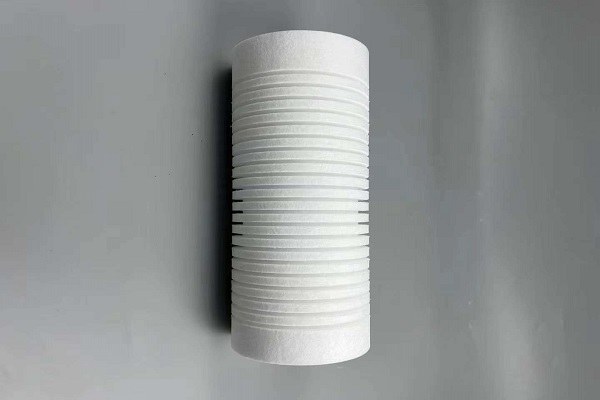
The 20 Micron PP Cotton Filter with High Flow Rate is engineered for efficient particulate removal in demanding industrial applications. Constructed from high-purity polypropylene (PP) fibers, this filter delivers consistent performance across diverse fluid types while maintaining a low pressure drop due to its optimized pore structure. Designed for continuous operation, it ensures reliable filtration without compromising flow rates—critical for processes requiring uninterrupted throughput. Each unit meets stringent international compliance standards for destination markets, including RoHS and REACH regulations applicable in the European Union and FDA-compliant materials for U.S.-based food and pharmaceutical uses. These certifications are verified through third-party testing and documented traceability, ensuring legal importation and regulatory acceptance across key global markets such as Germany, Canada, and Australia.
Main Specifications
| Filter Type | Melt-blown Polypropylene (PP) Cotton |
| Micron Rating | 20 µm |
| Flow Rate | 150 L/min per filter element (at 1 bar pressure) |
| Maximum Operating Pressure | 6 bar |
| Temperature Range | -10°C to 80°C |
| Material Compliance | RoHS, REACH, FDA-Compliant (for food-grade use) |
| Filter Length | 305 mm |
| Diameter | 63 mm |
| End Cap Material | Polypropylene (PP) injection molded |
| Certification Bodies | SGS, TÜV, ISO 9001:2015 (process certified) |
Core Advantages
- High flow rate reduces system downtime and energy consumption in continuous operations
- Complies with EU REACH and RoHS standards for unrestricted market access in Europe
- FDA-compliant material ensures safety for filtration in beverage, dairy, and pharmaceutical industries
- Low pressure drop maintains efficiency even under high-volume fluid transfer conditions
- Proven durability in aggressive chemical environments (e.g., acids, solvents, alkaline solutions)
Typical Application Scenarios
- Water treatment systems in food processing plants (EU/US compliant)
- Pharmaceutical manufacturing for pre-filtration of raw ingredients
- Industrial cooling towers requiring non-corrosive, chemically resistant filters
- Chemical dosing systems where regulatory compliance is mandatory
- Oil and lubricant filtration in automotive and heavy machinery sectors
Buying Tips for Importers
- Verify that the filter's certification documentation includes country-specific compliance declarations for your target market—some suppliers omit this crucial detail
- Avoid filters labeled 'food-safe' without explicit FDA 21 CFR Part 177.2600 or EFSA confirmation, as these may fail customs inspections
- Confirm that the supplier provides batch traceability records; this is essential for audit readiness in regulated industries
- Ensure the filter’s maximum operating temperature exceeds your process temperature peak to prevent material degradation
- Check whether the filter housing compatibility matches your existing system’s flange type and sealing mechanism